Unlock Premium Prices for your Calves with Value Added Marketing
At LiveAg, we understand that producing high-quality livestock takes dedication and hard work. That’s why we offer a range of Value Added Programs designed to help you get the most value for your efforts. By participating in these programs, you can differentiate your calves from the herd and potentially earn premium prices when you sell through our platform.

VACC 34
Learn More
Calves vaccinated on cows 2-4 weeks prior to shipping.
- 2 doses 7-way, 8-way or 9-way Clostridial at branding and 2-4 weeks prior to shipping.
- 1 dose viral 5-way (IBR, PI3 and BVD Type I and II) 2-4 weeks prior to shipping . The IBR and PI3 components must be chemically altered modified live or modified live with veterinarians approval. The BVD and BRSV can be either modified live or killed.
- 1 dose Pasteurella Haemolytica and/or Pasteurella Multocida 2-4 weeks prior to shipping
- Internal or external parasite control required.

VACC 34+
Learn More
Calves vaccinated twice, at branding and 2-4 weeks prior to shipping.
- 2 doses 7-way, 8-way or 9-way Clostridial at branding and 2-4 weeks prior to shipping.
- 2 doseS viral 5-way (IBR, PI3 and BVD Type I and II) at branding and 2-4 weeks prior to shipping . The IBR and PI3 components must be chemically altered modified live or modified live with veterinarians approval. The BVD and BRSV must be modified live.
- 1 dose Pasteurella Haemolytica and/or Pasteurella Multocida at branding and 2-4 weeks prior to shipping
- Internal or external parasite control required.

VACC 45
Learn More
Calves vaccinated twice, at branding and 2-4 weeks prior to shipping, and booster per label instructions. Calves must be home raised and weaned minimum of 45 days prior to delivery.
- 2 doses 7-way, 8-way or 9-way Clostridial at branding prior to or at weaning and booster per label instructions.
- 2 doses viral 5-way (IBR, PI3 and BVD Type I and II) and booster per label instrucitons. The IBR and PI3 components must be chemically altered modified live or modified live with veterinarians approval. The BVD and BRSV must be modified live.
- 1 dose Mannheimia Haemolytica and/or Pasteurella Multocida at branding, weaning and booster per label instructions.
- Internal or external parasite control required.
VACC 45+
Learn More
Calves vaccinated three times, at branding and 2-4 weeks prior or at weaning and booster per label instructions. Calves must be home raised and weaned minimum of 45 days prior to delivery.
- 3 doses 7-way, 8-way or 9-way Clostridial at branding, prior to or at weaning and booster per label instructions.
- 3 doses viral 5-way (IBR, PI3 and BVD Type I and II) Booster per label instrucitons. The IBR and PI3 components must be chemically altered modified live or modified live with veterinarians approval. The BVD and BRSV must be modified live.
- 2 doses Mannheimia Haemolytica and/or Pasteurella Multocida at branding, weaning and booster per label instructions.
- Internal or external parasite control required.

VACC 60
Learn More
Calves vaccinated three times, at branding and 2-4 weeks prior or at weaning and booster per label instructions. Calves must be home raised and weaned minimum of 60 days prior to delivery.
- 3 doses 7-way, 8-way or 9-way Clostridial at branding, prior to or at weaning and booster per label instructions.
- 3 doses viral 5-way (IBR, PI3 and BVD Type I and II) Booster per label instrucitons. The IBR and PI3 components must be chemically altered modified live or modified live with veterinarians approval. The BVD and BRSV must be modified live.
- 2 doses Mannheimia Haemolytica and/or Pasteurella Multocida at branding, weaning and booster per label instructions.
- Internal or external parasite control required.

VACC PRECON
Learn More
Calves are sourced from various places and weaned at least 60 days.
- 2 doses 7-way, 8-way or 9-way Clostridial at arrival and booster per label instructions.
- 2 doses viral 5-way (IBR, PI3 and BVD Type I and II) components must be chemically altered modified live or modified live with veterinarians approval. The BVD and BRSV must be modified live.
- 1 dose Pasteurella Haemolytica and/or Pasteurella Multocida.
- Internal or external parasite control required.
NON-HORMONE TREATED CATTLE
Learn More
A USDA-approved program that verifies that calves are non-hormone treated, and are of a specific age and source. NHTC-verified cattle can be marketed as such and may qualify for export to the European Union.

NON-GMO
Learn More
A USDA-approved program that verifies that cattle and their feed are non-GMO and have been raised without cross-contamination. This program involves auditing various process points to ensure cattle are raised without GMOs.

AGE & SOURCE
Learn More
VERIFIED NATURAL
Learn More
Marketing cattle as Verified Natural Beef requires third-party verification that they have not been given growth promotants, beta-agonists, antibiotics, sulfas, animal by-products, or ionophores. Cattle must be sold to approved Verified Natural Beef (VNB) locations, as selling elsewhere can result in losing approval status. Participating in a value-added program like this can help producers command higher prices for their products.
NATURAL
Learn More
The regular natural program requires a signed affidavit. To maintain approval, cattle must be sold to an approved Verified Natural Beef location. If sold to a non-approved buyer, the cattle lose their status. Additionally, if your ranch serves as a backgrounder or stocker operation, separate approval is required to accept cattle from another ranch.

CERTIFIED GRASS FED
Learn More
Consumer demand for grass-fed beef continues to grow, with many preferring its leaner profile and distinct flavor. To meet this demand, consumers increasingly seek third-party verification to ensure the beef is genuinely grass-fed. Under value-added programs, producers can apply for verification to confirm their cattle are raised on a grass diet, including grazed grass, silage, and hay. Cattle must move through approved Verified Grass-Fed locations to maintain their eligibility.

840 Tag
Learn More
The USDA 840 ear tags are federally approved for animal identification, designed for traceability during disease outbreaks. These tags come with a unique 15-digit number starting with 840 (the USA code), can be visual or electronic (RFID), and are linked to a producer’s Premise ID, which is required for purchasing. The tags cannot be reused, and information on their use is stored in a national database.

GAP 1
Learn More
GAP Base Level (Step 1)
- Animal Welfare: Farms must meet over 100 animal welfare standards, which focus on providing more space for the animals to move around. Animals are not confined in cages or crates.
- Diet: The animals must be fed a vegetarian diet with no animal by-products.
- Living Conditions: The environment must allow animals to express their natural behaviors, though access to the outdoors is not required at this level.
- No Antibiotics or Growth Hormones: The use of antibiotics is only permitted for sick animals, and growth hormones are prohibited
Learn more from our partners at Earth Claims here.

GAP 4
Learn More
- Pasture-Raised: Animals are raised on pasture year-round, and feedlots are not permitted. In areas where pastures need to be preserved, animals are still given daily access to outdoor spaces.
- Rotational Grazing: Farmers are required to implement pasture management practices like rotational grazing to maintain the quality of the pasture and biodiversity.
- No Physical Alterations: Practices such as dehorning and tail docking are prohibited, and pain management is required for procedures like castration.
- Environmental Sustainability: The standards promote sustainable land and water use, ensuring that soil health is improved and pesticides and synthetic fertilizers are restricted
Learn more from our partners at EarthClaims here.

Where Food Comes From | Source & Age
Learn More
Source and Age verification (SAV) requires you to keep records of your first and last calf board date, as well as apply an EID tag prior to cattle ever leaving your ranch – their source of origin.
Source only – US Verified Source verification – is available as well.

Where Food Comes From | Non-Hormone Treated Cattle (NHTC)
Learn More
The NHTC program allows your cattle to be eligible for buyers looking for non-hormone treated cattle, many of which are looking to export beef to the EU.
Implants or fed hormone growth promotants (HGPs) of any kind are not allowed.
Cattle must move through NHTC approved locations.
Examples include implants, Lutalyse, CIDRs, Optaflexx, MGA.
Cattle must move through approved VNB approved locations.

Where Food Comes From | Verified Natural Beef
Learn More
“Natural” is something we see in the marketplace, but it is not a set Standard across the board. The IMI Global Verified Natural Beef Standard allows buyers to be assured that cattle have never received any Beta-Agonists, Ionophores, Antibiotics or Animal By-Products.
Cattle must move through approved VNB approved locations.

Where Food Comes From | CARE Certified
Learn More
Where Food Comes From CARE Certified is a suite of sustainability standards that certifies participating farmers and ranchers are implementing best practices in animal care, environmental stewardship and supporting their local communities and the people within them.
Where Food Comes From | Verified Grass-fed
Learn More
The Verified Grass-fed program is an approved USDA Process Verified claim.
Cattle approved for this standard must be on diets solely derived from forage.
Cattle must move through VGF approved locations.

Beef Quality Assurance
Learn More
The Beef Quality Assurance (BQA) Value-Added Program Badge is a certification that highlights producers who follow best management practices to ensure high-quality, safe, and well-handled beef. This badge is awarded to operations that are certified in BQA and adhere to standards for proper care, handling, and processing, which ultimately adds value to their beef products in the marketplace. The program emphasizes responsible use of animal health products, environmental stewardship, and continuous education to boost consumer confidence and support higher product quality.
Learn more here.

Angus Verified
Learn More
Capture the value of your investment by validating breed makeup with AngusVerified. This USDA Process-Verified Program (PVP) documents and verifies, at minimum, the enrolled calves are 50% Angus. In other words, enrolled calves must have been sired by a registered and properly transferred Angus bull, used naturally or by artificial insemination.
Verification pays. Producers are being paid premiums in the marketplace for their AngusVerified enrolled cattle. Over time, the ROI has been extremely good for these programs, as well as other value-added claims offered through IMI Global.

AngusLink Genetic Merit Scorecard℠
Learn More
Genetic Merit Scorecard gives producers the ability to effectively communicate the genetic merit of their calves to potential buyers and differentiate their calves from others’ on sale day.
The program also serves as a platform to track genetic progress to make sure the next calf crop is better than the last.

BeefTraxx
Learn More
BeefTraxx verifies cattle for producers who wish to make marketing claims about their calves for NHTC (Non-Hormone Treated Cattle), Verified Natural, Age, and Source verified programs to meet export verification for China, Saudi Arabia and domestic programs.

Hereford Advantage Program
Learn More
An industry-changing program from the American Hereford Association and IMI Global to verify and add value to Hereford-influenced feeder cattle with superior genetics, health and management. Basic enrollment requirements include:
- Source & Age verification
- Sired by a bull battery ranking in top 50% of the breed for the Certified Hereford Beef index ($CHB)
- Two rounds of vaccinations prior to shipping (minimum)
- BQA certification

Gain Smart
Learn More
Gain Smart, a line designed specifically for stocker and feeder cattle, promotes optimal growth and overall health. When used in combination with a sound vaccination protocol, this program gives your calves an extra edge—and an additional badge that buyers recognize. To qualify, cattle must receive Gain Smart mineral supplementation for at least 45 days leading up to auction and continue through delivery. Qualifying consignments will feature the Gain Smart Value Added logo in LiveAg auction catalogs and on-screen during bidding.
Learn more about the Gain Smart program at www.gainsmart.com.

VitaFerm Raised
Learn More
VitaFerm Raised highlights calves from cow/calf operations where either the dam was fed VitaFerm mineral during gestation/lactation, or the calf received VitaFerm mineral during preconditioning for at least 45 days prior to sale—and continues through delivery. By combining this program with a robust health protocol, you earn recognition from buyers looking for well-managed, nutritionally supported cattle. Qualified lots receive the VitaFerm Raised badge, visible in LiveAg’s auction materials and during the sale broadcast.
For more information on VitaFerm products, visit www.vitaferm.com.
QUESTIONS ABOUT VALUE ADDED PROGRAMS?
Reach out to our team with any questions, we’re here to help!
Call our office at 817-533-6699 and a member of our team will be in touch.
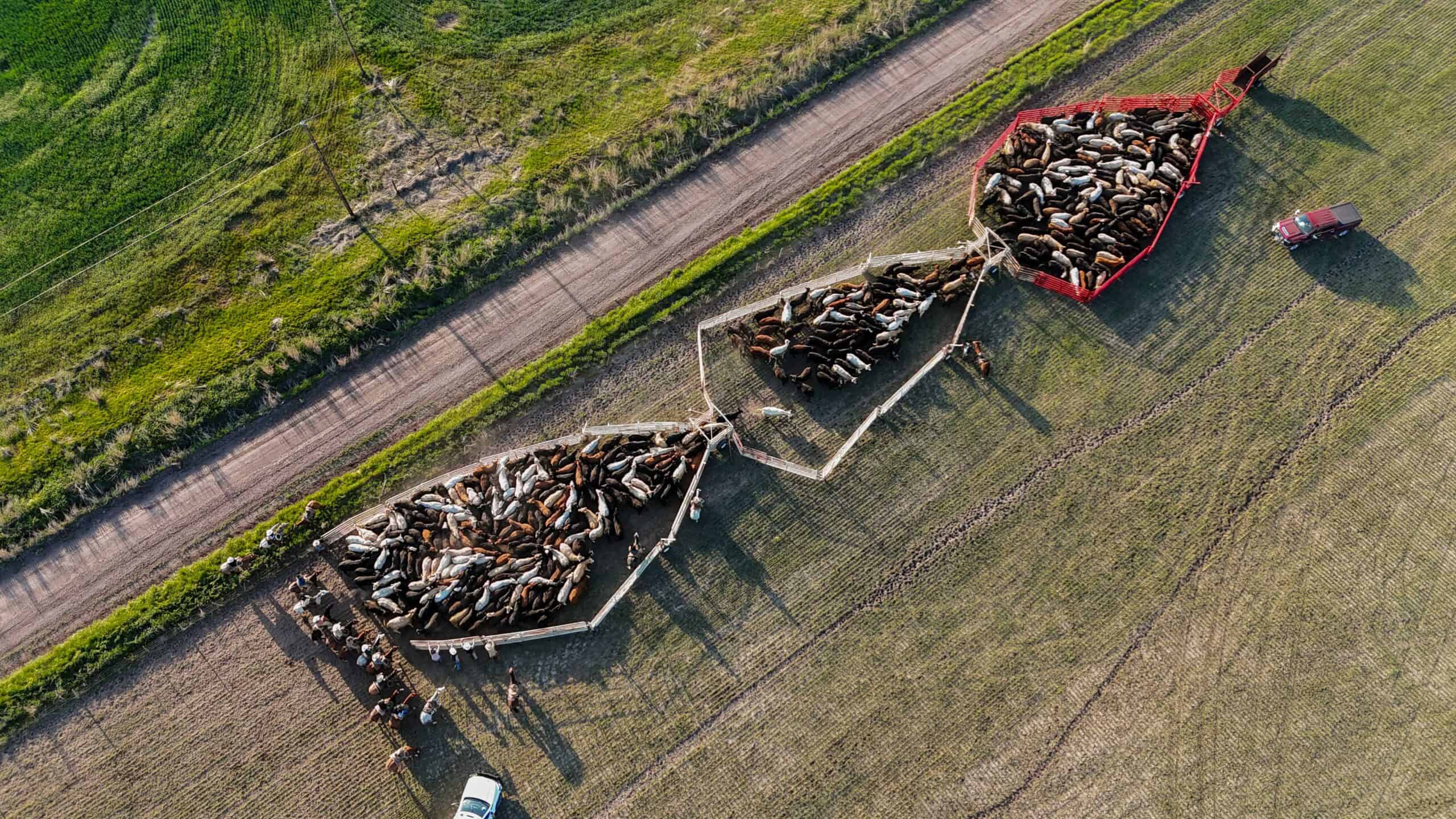
We encourage all producers to take the time to research the Value Added Programs available through LiveAg. Our team is here to help you understand the requirements and benefits of each program, so you can make informed decisions about which ones are right for your operation. Whether you’re looking to tap into niche markets, meet the demands of conscientious consumers, or simply get the best possible price for your calves, LiveAg’s Value Added Programs can help you achieve your goals.
How it Works
Our Value Added Programs cover a wide range of production practices and certifications, from Non-Hormone Treated Cattle (NHTC) and Source and Age verification to Certified Grass Fed and Global Animal Partnership (GAP) animal welfare certifications. By qualifying for these programs, you’re not only demonstrating your commitment to quality and transparency but also opening up new opportunities to market your livestock to discerning buyers.