
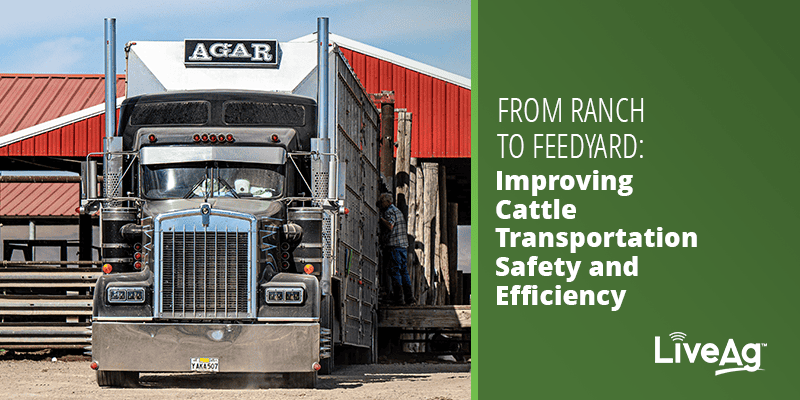
From Ranch to Feedyard: Improving Cattle Transportation Safety and Efficiency
Cattle transportation plays a vital role in the beef supply chain and connects ranches and feedyards across the country. Ensuring the safe and efficient transport of these animals is essential for maintaining animal welfare, meat quality, and industry profitability. However, cattle hauling comes with unique challenges and risks that must be carefully managed.
Ensuring Animal Welfare During Transit
One of the most critical aspects of cattle transportation is protecting animal wellbeing. At Agar Transportation, all drivers are Beef Quality Assurance (BQA) certified. To receive this certification, drivers complete training on animal handling, biosecurity, transportation safety, and emergency preparedness. The program covers best practices for loading/unloading, managing weather challenges, and minimizing stress.
“Because we are all BQA certified, we make sure we’re properly prepared for winter travel,” explains Paul Radloff, owner of Agar Transportation. “We use winter paneling precautions on the trailers. We make sure all trailers are ready for winter travel no matter where they’re headed in the country.”
Trailer design has also evolved to minimize bruising and improve animal comfort.
“We went with fold-to-wall ramps on all the newer equipment, which helps save on the primal cuts on the animals we’re hauling,” says Radloff. “The ramps also provide more clearance everywhere, meaning a safer ride for the animals and a better bottom line for the producer.”
Despite these precautions, breakdowns and delays can still occur, and Radloff emphasizes the importance of handling these situations quickly.
“Even with new equipment and new emission regulations, breakdowns still happen,” he says. “We do our best to get cattle on the ground as fast as we can and handle every breakdown or delay in a timely manner.”
Success in cattle hauling requires close coordination across the supply chain. Key areas for collaboration include:
- Aligning schedules between ranches, carriers, and feedyards for timely pickups and deliveries. This reduces wait times and animal stress.
- Sharing information on road conditions and weather to optimize routes.
- Working together on loading plans and headcounts to maximize trailer capacity without overcrowding.
- Establishing biosecurity and animal health protocols to limit disease spread.
“We work closely with both the ranches shipping cattle and feedyards receiving them,” Radloff says. “Good communication and planning ensures the cattle ship at optimal times, travel safely and comfortably, and arrive on schedule. It’s a team effort.”
The Role of Technology in Cattle Hauling
Advances in technology are transforming the cattle transportation industry. GPS tracking and geofencing allow for real-time shipment visibility.
“More and more technology is available to us these days,” Radloff points out. “We are working on a dispatch software that will use geo tracking and geofencing technology. It will let the producer know where his load is on the road and lets the buyer of the animals know that the truck is on the way.”
Future dispatch software integrations are also improving logistics and communication.
“When you’re within 100 miles of destination, it will let you know when to expect arrival,” Radloff explains. “New technology just takes the human error out of things. Looking ahead, emerging technologies and innovations are sure to further optimize cattle transportation.”
When selecting a livestock hauler, producers should look for experienced carriers with well-maintained equipment, BQA certified drivers, and comprehensive insurance coverage. Asking about technology adoption, driver training programs, and references from other producers can also help identify reliable transportation partners.
Commitment to Excellence
Founded in 1987, Agar Livestock grew from a single-truck operation to a fleet of more than 50 trailers as Agar Transportation. Under the leadership of Radloff since 2018, the company remains dedicated to customer service and safety.
“Growth and innovation is what I look at, along with providing the best customer service,” says Radloff. “I know both sides — I grew up in the livestock industry and in commercial transportation professionally. We understand the hardships that both sides experience. It doesn’t matter if you’re a one-load or a multiple-load customer, everyone is treated the same.”
Agar Transportation is also 100% Hartford insured, providing customers with added peace of mind. “Being Hartford insured is huge in the industry because they are the best. It provides peace of mind for our customers,” notes Radloff.
Safe and efficient cattle transportation is essential for the success of the beef industry. By prioritizing animal welfare, technology adoption, and customer service, livestock haulers can help ensure a thriving supply chain from ranch to feedyard. To learn more about cattle transportation best practices and services, contact experienced carriers like Agar Transportation.