
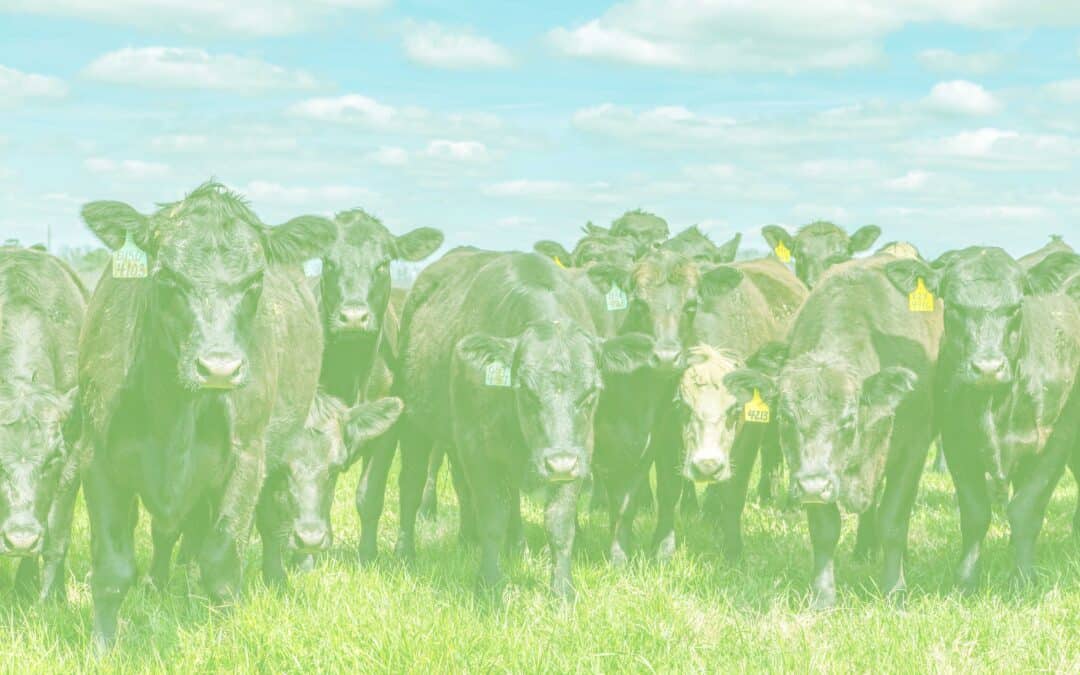
For stockers and backgrounders across the Southern Plains and Midwest, turning calves out on wheat pasture in the fall and winter is a reliable, cost-effective grazing option. This lush, high-quality forage provides the nutrients growing calves need to perform while helping producers capture economical gains during a key window in the production cycle.
Wheat pasture season is just around the corner. Whether you’re planting graze-out wheat in early September, dual-purpose wheat through the end of the month, or grain-only wheat into October, the goal is the same. Establish healthy, deeply rooted plants ready to support cattle grazing by late fall.
According to wheat specialists at Kansas State University, producers should wait until crown roots are established before grazing. This typically happens by late November or early December, ensuring cattle don’t uproot young plants and maximizing forage availability for the season ahead.
The Gain Smart® Advantage
BioZyme® Inc., a global leader in animal nutrition and fermentation-based solutions, developed Gain Smart®, a line of vitamin and mineral supplements for stocker cattle that promotes healthy, economical pounds. With a mission to deliver an undeniable positive impact on animal health and producer profitability, BioZyme designs products that enhance growth, improve feed efficiency, and support overall herd performance.
The Benefits of Grazing Wheat Pasture
Grazing calves on wheat pasture offers a range of advantages for both livestock and producers. From improved performance to cost savings and land-use efficiency, the benefits add up quickly.
1. Improved Weight Gain
Wheat pasture is nutrient-dense, providing a powerful combination of protein and energy that supports efficient growth. Calves on wheat pasture often achieve average daily gains (ADG) of 1.5 to 2.5 pounds per day, significantly outperforming peers on dry forage or lower-quality pastures. Over a typical 90-day grazing period, that translates to roughly 180 pounds of added weight per calf.
2. Reduced Feeding Costs
Winter feed costs can quickly eat into profitability. Grazing wheat pasture reduces reliance on expensive supplemental feeds and eliminates many of the transportation and handling expenses associated with purchased feed. Utilizing standing forage is one of the most economical ways to keep cattle gaining through the colder months.
3. Healthier Cattle
Pasture-based diets offer more than just performance advantages. Grazing on fresh, green forage supports digestive health and rumen function thanks to high fiber content. The outdoor environment and diverse diet also help strengthen calves’ immune systems, reducing the risk of certain diseases associated with confinement feeding.
4. High-Quality Nutrition
Wheat pasture is rich in protein (15%–30%), critical for muscle development, and energy, essential for growth and maintaining body condition. Together, these nutrients fuel efficient weight gain and optimal productivity.
5. Better Land Use and Environmental Impact
Grazing wheat pasture puts otherwise idle acres to work, increasing land productivity and contributing to soil health through nutrient cycling. Pasture cover also helps control erosion, promotes carbon sequestration, and even offers management flexibility — allowing producers to graze livestock early and harvest grain later.
Overcoming Challenges of Grazing Wheat
While the advantages of grazing wheat pasture far outweigh the disadvantages, success depends on thoughtful planning and proactive management. Here are some challenges producers should be aware of:
1. Nutrient Imbalances
Wheat pasture can be low in magnesium, raising the risk of grass tetany, especially in lactating cows or fast-growing calves. Additionally, its high protein content can create metabolic challenges if not balanced with adequate energy. Providing a balanced mineral supplement with magnesium, like Gain Smart® Wheat can help prevent deficiencies and maintain animal health.
2. Bloat Risk
Lush, rapidly growing wheat can increase the risk of bloat, a potentially fatal condition. Mitigation strategies include feeding anti-bloat supplements, offering dry roughage, or incorporating ionophores into the diet.
3. Weather Dependence
Pasture quality and availability are heavily influenced by weather. Drought, excessive rainfall, or early frosts can all impact yield and grazing potential. Successful operations build flexibility into their grazing plans and adapt quickly to changing conditions.
4. Soil Health & Overgrazing
Without proper management, intensive grazing can compact soil and reduce future productivity. Practices like rotational grazing and avoiding overstocking can help maintain soil structure and plant health.
5. Infrastructure and Management
Secure fencing and reliable water sources are essential. Producers should also monitor for pest and disease pressure in both forage and cattle, implementing integrated management strategies as needed.
It’s also worth noting that wheat pasture isn’t suited for every region. While it thrives in the Midwest, Plains, and Southeast, limited moisture in the Southwest or heavy snowfall in mountain states often limits its use in those areas.
Gain Smart: The Right Nutrition for Wheat Pasture Grazing
To maximize performance and manage nutritional challenges, producers should pair their grazing strategy with a targeted mineral program. Gain Smart® offers four free-choice vitamin and mineral formulas designed to support efficient, economical gains in stocker cattle, with one specifically tailored for grazing wheat and other small-grain pasture, Gain Smart Wheat. Other Gain Smart formulas include:
- Gain Smart Stocker – Designed to maximize gain on traditional forage-based diets.
- Gain Smart Stocker HEAT® – Formulated for grazing in temperatures above 70°F, with essential oils and garlic to support performance and repel insects.
- Gain Smart Stocker Balancer RU1600 – Ideal for balancing high-grain diets in TMR rations, includes rumensin for improved feed efficiency.
What Sets Gain Smart Apart?
All Gain Smart formulas deliver key performance-enhancing benefits:
- Powered by AO-Biotics® Amaferm®, a research-proven prebiotic that enhances digestibility and increases average daily gain by up to 0.25 pounds per day.
- Organic trace minerals like copper, iodine, and zinc to support hoof health and maximum bioavailability.
- Immune system support to keep cattle healthy and performing at their best.
Just by providing a mineral with Amaferm, producers can add a quarter-pound of gain per calf each day, compounding over the grazing season into substantial returns.
Grazing Wheat Pasture the Smart Way
From improved weight gain and reduced feed costs to healthier cattle and better land use, grazing wheat pasture remains one of the most effective strategies for growing stocker calves through the fall and winter. And with the right nutritional support — like Gain Smart — producers can optimize both performance and profitability.
Are you ready to make the most of your wheat pasture this season? Gain Smart, powered by Amaferm, is available through your local BioZyme dealer. Locate a dealer near you and set your operation up for success this winter.
For more tips on keeping your cattle gaining healthy, efficient pounds, sign up for our newsletter today.